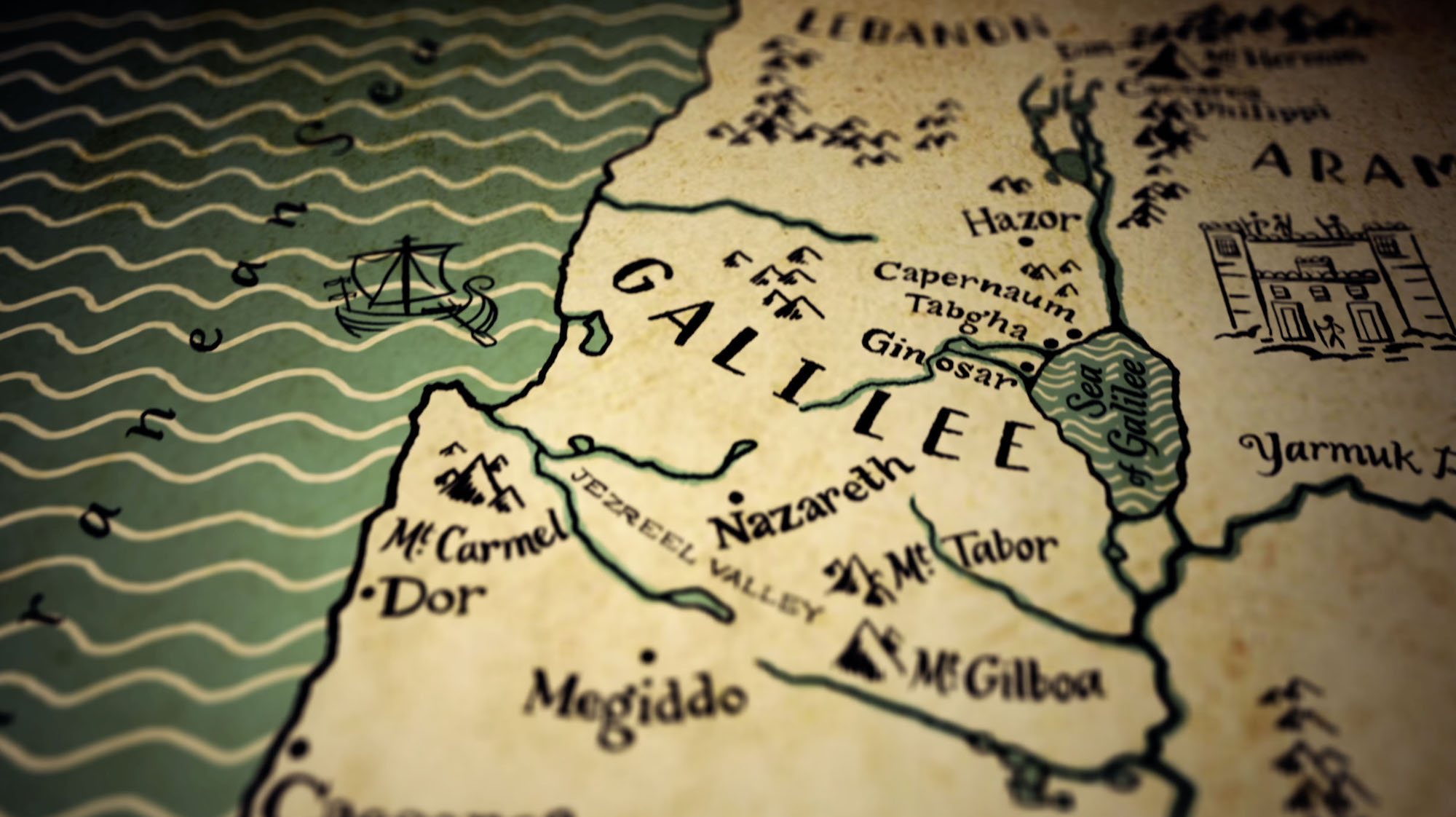
The Gospels are frequently referred to by skeptics and critics as mythical, embellished, historically unreliable theological works, or even propaganda in the form of a biography. Many earlier critical scholars promoted a view of the Gospels that was virtually devoid of history, with some even denying the existence of an historical Jesus. Due to archaeological and manuscript discoveries over the last century, the tone has been softened and modified to consider the Gospels as partially historical documents, but only where external evidence clearly demonstrates the accuracy of a particular section of the text. Although this view acknowledges a degree of historicity present in the Gospels, the books are still often classified as mythical in character or unreliable. Myth, which comes from the Greek word muthos meaning “story,” had a wide range of meaning and no specific implication about historical truth (Liddell et al. A Greek-English Lexicon). However, in modern usage a myth refers to a legendary story which usually contains deities and has fictitious elements. Therefore, to refer to the Gospels as mythical suggests that they are limited in their historical value. Yet, the Gospels record events which took place in real locations with real historical figures, not in “mythical” lands with characters that are unknown from any historical records or physical evidence. An examination of people and places in the Gospels demonstrates that the narratives record events set in historical places, with historical people, and in a particular time. At least 16 people mentioned in the Gospels have been confirmed as historical figures by external sources unassociated with Christianity in the approximate 8 BC to 33 AD time window of the Gospels, including every major political and religious figure mentioned. Additionally, groups of people such as the Disciples, Herodians, Judeans, Pharisees, Romans, Sadducees, Samaritans, Sanhedrin, and Zealots are all known from external historical sources. If ancient Christian sources were counted, and if tentative identifications were included the number of historical figures attested would increase significantly. Nearly every city, town, village, and region, and even many structures mentioned in the Gospels have been confirmed as historical places in existence during this time by external evidence such as archaeology and ancient historical sources of the 1st century. These locations include major cities such as Jerusalem and Jericho, towns such as Bethlehem, Bethsaida, Capernaum, and Nazareth, structures such as Joseph’s Well, the Pool of Siloam, and the Temple Complex, and geographical features such as the Mount of Olives, the Jordan River, and the Sea of Galilee. The Gospels, even though a set of narratives which focus on one person from the fringe of the Empire, not a political, military, or religious leader, and primarily only a few years of His life, purposely included specific names and positions of people, and names and descriptions of locations to demonstrate the historical nature of the writings, which allow historical analysis to confirm the precision and accuracy of the story. The result of the demonstrated accuracy of locations, people, and general historical setting strongly suggests not only the intentions of the writers to record history, but the reliability of those accounts. Further, a thorough analysis and comparison with archaeological and historical material of the events recorded in the Gospels and the cultural, economic, religious, and political setting reveals that the books do not qualify as myth or merely theological treatises, but as accurate historical narrative set in 1st century Judea and Galilee.
| PERSON | TITLE | SOURCE |
| Annas | High Priest | Josephus |
| Augustus | Emperor | Roman Writings, Inscriptions, Statues |
| Caiaphas | High Priest | Josephus; Ossuary |
| Herod I, the Great | King | Josephus; Coins; Inscriptions |
| Herod Antipas | Tetrarch | Josephus; Philo; Coins |
| Herod Archelaus | Ethnarch | Josephus; Coins |
| Herod Philip | Tetrarch | Josephus; Coins |
| Herodias | Princess | Josephus |
| James, son of Joseph | Church leader | Josephus; Ossuary |
| Jesus | Christ/Messiah | Josephus; Philo; Pliny; Tacitus |
| John the Baptizer | Prophet | Josephus |
| Joseph | Craftsman/Carpenter | Celsus (?); Ossuary |
| Lysanius | Tetrarch of Abila | Josephus; inscription |
| Peter (?) | Disciple/Apostle | Latin inscription in Rome |
| Pontius Pilatus | Prefect of Judaea | Josephus; Philo; Tacitus; inscription |
| Quirinius | Legate | Roman histories and inscriptions |
| Simon of Cyrene (?) | Unknown | Ossuary Inscription |
| Tiberius | Emperor | Roman Writings, Inscriptions, Statues |
| LOCATION | SOURCE |
| Abila | Archaeology; Josephus |
| Bethany | Archaeology |
| Bethlehem | Archaeology |
| Bethsaida | Archaeology; Josephus |
| Caesarea Philippi | Archaeology; Coins; Josephus |
| Cana | Archaeology; Josephus |
| Capernaum | Archaeology; Josephus |
| Chorazin | Archaeology; Babylonian Talmud |
| Decapolis | Archaeology; Coins; Pliny the Elder; Josephus |
| Emmaus | Archaeology (?);Josephus |
| Gennesaret | Archaeology; Josephus |
| Gerasa/Jerash | Archaeology; Josephus |
| Jacob’s Well | Archaeology |
| Jericho | Archaeology; Strabo; Josephus |
| Jerusalem | Archaeology; Coins; Inscriptions; Historians |
| Jordan River | Geography; Josephus |
| Magdala | Archaeology; Josephus; Talmud |
| Mount of Olives | Archaeology; Geography; Josephus |
| Nazareth | Archaeology |
| Pool of Bethesda | Archaeology; Copper Scroll |
| Pool of Siloam | Archaeology; Josephus |
| Samaria (region) | Archaeology; Josephus; Pliny |
| Sea of Galilee/Kinneret/Tiberias | Geography; Josephus |
| Sidon | Archaeology; Coins; Josephus |
| Stone Pavement (Gabbatha) | Archaeology |
| Temple Complex | Archaeology; Inscriptions |
| Tiberias | Archaeology; Josephus |
| Tomb of Jesus | Archaeology |
| Tyre | Archaeology; Coins; Josephus |
Leave a Reply